きものリメイク
祖母のきものや市で購入した着物を解き、洋服に仕立てたことが、着物リメイクを始めたきっかけです。
着物の素材感と、絹ならではの着心地が着物リメイクの魅力です。
譲り受けた着物や、ご自身が着ていた思い出の着物を普段の生活に取り入れる事はとても意味のあるものだと思っています。
一方で、着物ならではの素材感とデザインを調和させる事は簡単ではありません。
着物本来の美しさを大切にしながら、デザイン性と着心地を兼ね備えた一着を、お客様とご相談をしながら仕立てます。
✿ ✿ ✿
着物を 解いた後の作業(大島紬の場合)
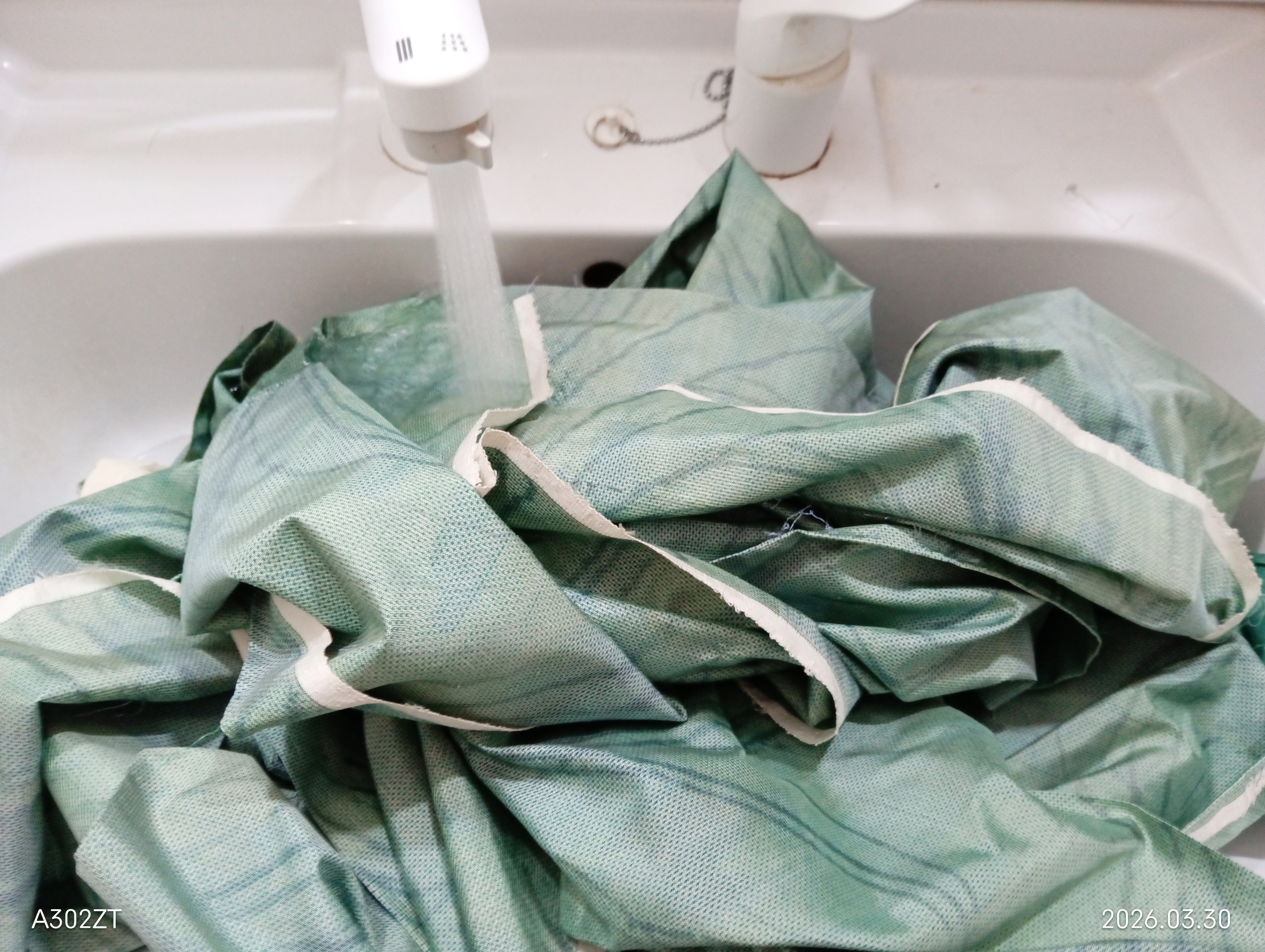
①水通し
着物を解いた後、生地を水に浸してから陰干しします。
この作業をしておくと、服に仕立てた後も家で手洗いが可能になります。
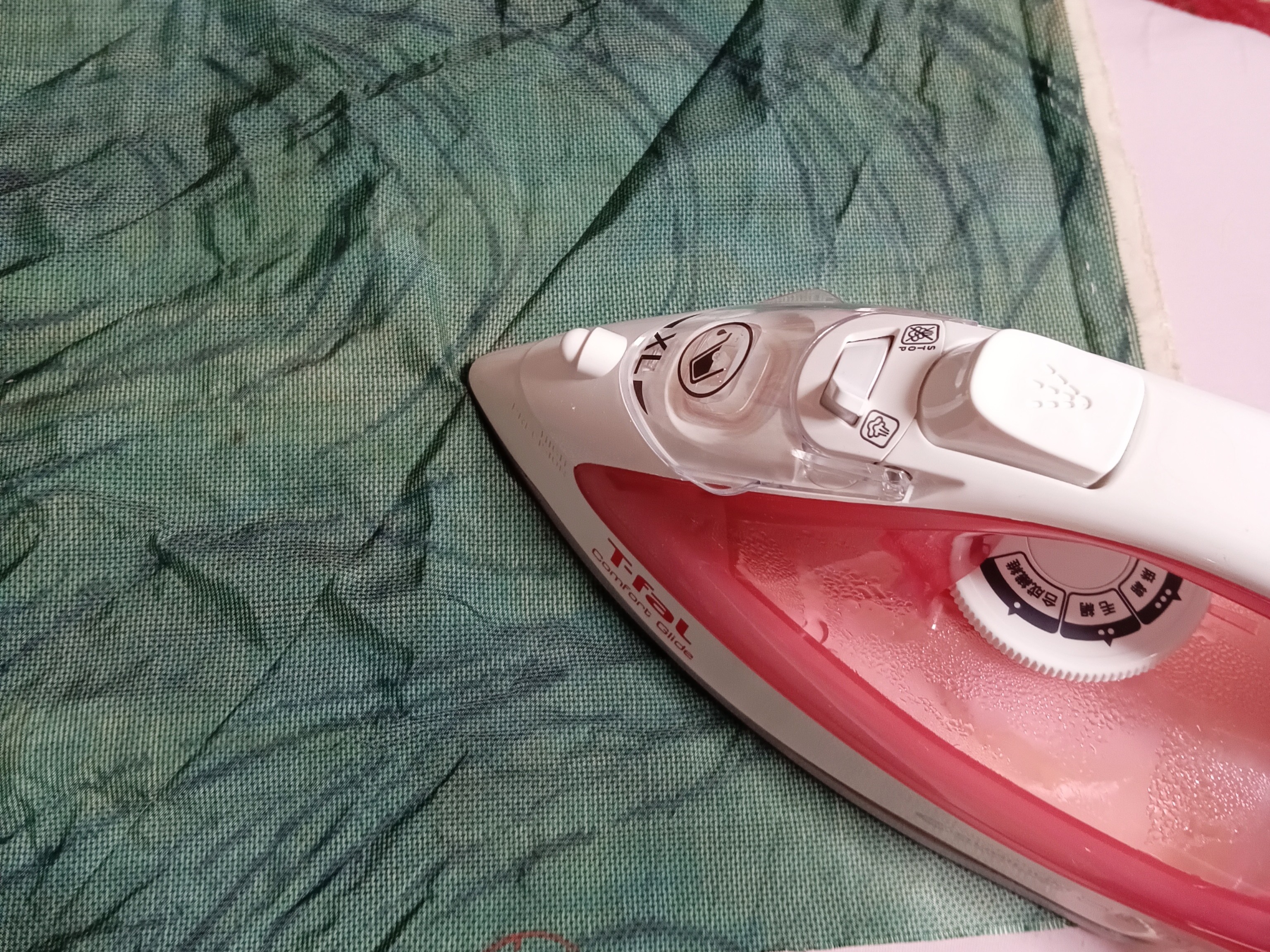
②アイロンがけ
陰干しで完全に乾いてしまう前に、アイロンで皺を伸ばす
③再度、陰干し
アイロンがけの後、再度陰干しをして、生地に残った熱や水分をしっかり抜きます。
この作業をした後、裁断の作業を行います。
✿ ✿ ✿
Kimono Remake
when I transformed my grandmother’s kimono and kimono pieces I found at local markets, into garments.
The beauty of kimono remake lies in the unique texture of the fabric and exceptional comfort of silk.
passed down through generations,
or a kimono filled with personal memories, into everyday life.
Combining the unique qualities of kimono with a modern design is not always easy.
Each piece is carefully tailored in consultation with the customer,
preserving the beauty of the kimono while ensuring both style and comfort.
✿ ✿ ✿
Preparing Kimono Fabric for Remaking (For Oshima Tsumugi)
1, Pre-washing
After taking the kimono apart, the fabric is soaked in water and air-dried in the shade.
This helps make the finished garment suitable for hand washing at home.
2,Pressing
Before the fabric driescompletely, the wrinkle are gently pressed out with an iron.
3,Final drying
Thefabric is dried again to remove any remainig heat and moisture.
Once those steps are complete, the fabrics is ready for cutting.
